
The Complete Guide to IPTV: Everything You Need to Know About Internet Protocol Television
Introduction
Are you tired of paying high cable TV bills for channels you never watch? Internet Protocol Television (IPTV) has revolutionized how we consume television content, offering viewers unprecedented flexibility and cost savings. This cutting-edge technology delivers television programming through internet protocols rather than traditional terrestrial, satellite, or cable formats.
The popularity of IPTV services has skyrocketed in recent years due to several compelling reasons. Users can save hundreds of dollars annually compared to traditional cable subscriptions while gaining access to thousands of international channels. The flexibility to watch content on multiple devices, from smartphones to smart TVs, has made streaming TV the preferred choice for modern households. Additionally, many IP-tv services offer superior HD and 4K streaming quality that surpasses conventional broadcasting methods.
Table of Contents
Equipment and Requirements
Before diving into the world of streaming TV, it’s essential to understand what equipment and requirements you’ll need for an optimal viewing experience. The good news is that most households already have the necessary foundation to start enjoying IPTV services immediately.
Also Read:
Internet Connection Requirements
A stable internet connection is the cornerstone of any successful IPTV setup. For standard definition content, you’ll need at least 5 Mbps download speed, while HD content requires 10-15 Mbps. For the best 4K IPTV experience, ensure your connection provides 25 Mbps or higher. Fiber optic or high-speed broadband connections work best for uninterrupted streaming.
Compatible Devices
Modern IPTV services are incredibly versatile when it comes to device compatibility. Smart TVs with built-in internet connectivity can run IPTV apps directly. Android TV boxes, such as NVIDIA Shield or Xiaomi Mi Box, offer excellent performance for IPTV streaming. Smartphones and tablets running iOS or Android provide portable viewing options for on-the-go entertainment.
Essential Software Components
You’ll need a reliable IP-TV application to decode and display the streaming content. Popular options include IPTV Smarters Pro, TiviMate, and Perfect Player. These applications support various playlist formats and offer user-friendly interfaces for channel navigation. An active IP-TV subscription from a reputable provider is necessary to access content libraries and live channels.
Optional but Recommended Equipment
While not mandatory, a VPN (Virtual Private Network) can enhance your IPTV experience by providing additional privacy and potentially improving streaming speeds. A wired Ethernet connection often provides more stable performance than Wi-Fi, especially for 4K content streaming.
Installation Time
The installation process for IPTV services is remarkably quick and straightforward, making it accessible even for non-technical users. Most people can complete the entire setup process within 15-30 minutes, depending on their technical familiarity and chosen device.
Application Download and Installation
Downloading and installing an IP-TV application typically takes 5-10 minutes. Popular apps are available through official app stores like Google Play Store, Apple App Store, or Amazon Appstore. For Android TV boxes, you might need to sideload applications, which adds another 5-10 minutes to the process.
Subscription Activation
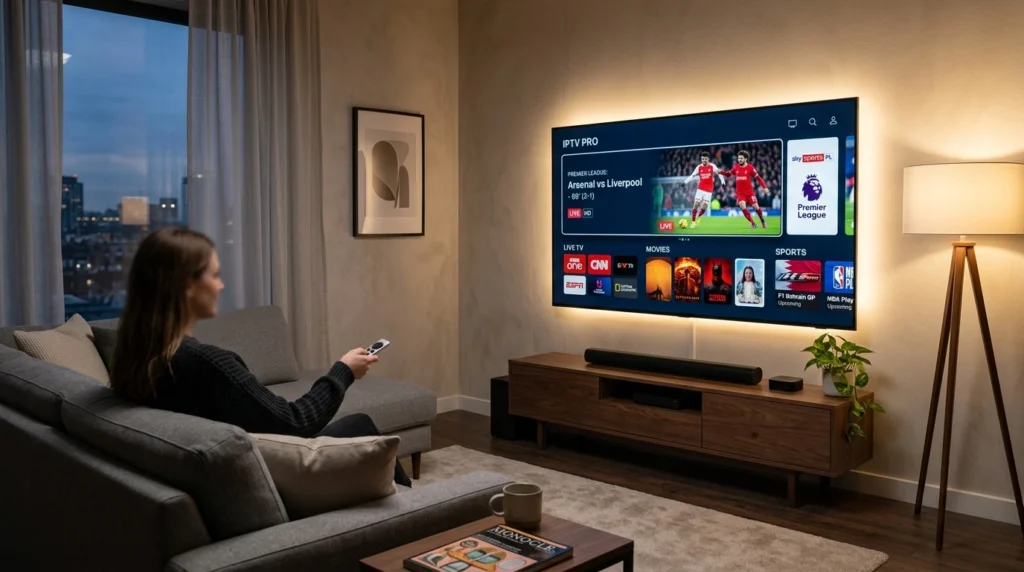
Activating your IPTV subscription usually takes just a few minutes once you receive your credentials from the provider. Most services provide M3U playlist URLs or Xtream Codes login information that can be entered directly into your chosen application. The initial channel loading and buffering process may take an additional 5-10 minutes.
Configuration and Testing
Configuring application settings and organizing IPTV channels according to your preferences can take 10-15 minutes. Testing various channels to ensure proper playback and adjusting video quality settings completes the setup process. Advanced users might spend additional time customizing EPG (Electronic Program Guide) settings and creating favorite channel lists.
Step-by-Step Guide to Set Up IPTV
Follow this comprehensive guide to set up your IP-TV subscription and start enjoying thousands of channels within minutes. This step-by-step process works for most devices and applications, ensuring a smooth setup experience.
1. Install an IPTV Application
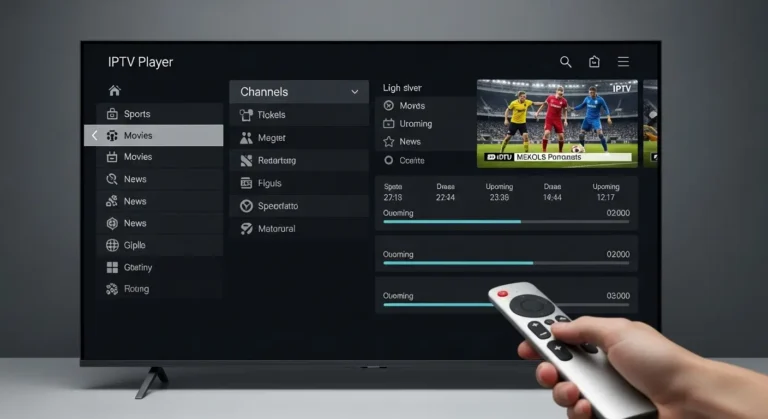
Begin by selecting and installing a reliable IPTV application on your preferred device. For Android devices, download apps like IPTV Smarters Pro or TiviMate from the Google Play Store. iOS users can choose from apps like GSE Smart IP-TV or IP-TV Player. Smart TV users should check their device’s app store for compatible applications.
2. Add an M3U Playlist or Xtream Codes
Once your application is installed, you’ll need to add your subscription credentials. If your provider offers an M3U playlist, simply copy the provided URL and paste it into the playlist section of your app. For Xtream Codes users, enter your username, password, and server URL in the designated login fields.
3. Configure the Application Settings
Navigate to the settings menu and configure important options such as video quality, buffer size, and parental controls. Set your preferred video resolution (720p, 1080p, or 4K) based on your internet speed and device capabilities. Enable hardware acceleration if available to improve streaming performance and reduce CPU usage.
4. Organize Channels and Categories
Most IPTV services provide thousands of channels organized by categories such as Sports, Movies, News, and International content. Spend time organizing channels according to your viewing preferences. Create favorite lists for quick access to your most-watched channels and hide categories you don’t need.
5. Test the Stream Playback
Finally, test various channels to ensure proper playback quality and stability. Check both live TV channels and on-demand content to verify your ip-tv setup is working correctly. If you encounter buffering issues, adjust the buffer size in your application settings or consider upgrading your internet connection.
Benefits of IPTV
The advantages of IP-TV services extend far beyond simple cost savings, offering viewers a completely transformed television experience. Understanding these benefits helps explain why millions of users worldwide have made the switch from traditional broadcasting methods.
Access to Thousands of International Channels
Modern IP-TV channels libraries contain content from virtually every country and language imaginable. Users can access premium channels from the United States, United Kingdom, Canada, European countries, and many others in a single subscription. This global reach is particularly valuable for expatriates, language learners, and anyone interested in international programming.
Extensive On-Demand Content Libraries
Beyond live television, most IPTV services include vast libraries of movies, TV series, documentaries, and special programming. Content is often available in multiple resolutions, including HD IP-TV and 4K IPTV formats. New releases are frequently added, keeping content libraries fresh and engaging.
Superior Streaming Quality
HD and 4K streaming quality available through IP-TV often surpasses traditional cable and satellite broadcasts. Advanced compression technologies ensure efficient bandwidth usage while maintaining crystal-clear picture quality. Many providers offer adaptive streaming that automatically adjusts quality based on your internet connection speed.
Multi-Device Compatibility and Flexibility
The ability to watch content across multiple devices simultaneously is a major advantage of streaming TV services. Users can start watching on their smart TV at home, continue on their smartphone during commute, and finish on their tablet while traveling. This seamless experience is impossible with traditional broadcasting methods.
Significant Cost Savings
Compared to traditional cable TV packages, IPTV subscriptions offer substantial savings while providing more content. Many users report saving 50-80% on their monthly entertainment expenses while gaining access to premium international channels that would cost hundreds of dollars through conventional providers.
Tips for a Better IPTV Experience
Optimizing your IP-TV setup can dramatically improve streaming quality and overall user experience. These practical tips help ensure smooth playback, minimal buffering, and maximum enjoyment of your television content.
Internet Connection Optimization
Fiber optic or high-speed 5G internet provides the most reliable foundation for IP-TV streaming. If possible, connect your streaming device directly to your router using an Ethernet cable rather than relying on Wi-Fi. This wired connection eliminates potential wireless interference and provides more consistent speeds for 4K IP-TV content.
Application and Device Maintenance
Keep your IPTV application updated to the latest version to benefit from performance improvements and new features. Regularly restart your streaming device to clear memory cache and maintain optimal performance. Close unnecessary background applications that might consume bandwidth or processing power.
Network Security and Privacy
Using a VPN service can provide additional benefits beyond privacy protection. Some VPNs can improve streaming speeds by connecting to optimized servers and bypassing internet service provider throttling. Choose VPN providers with fast servers and no-logging policies for the best streaming TV experience.
Content Organization and Management
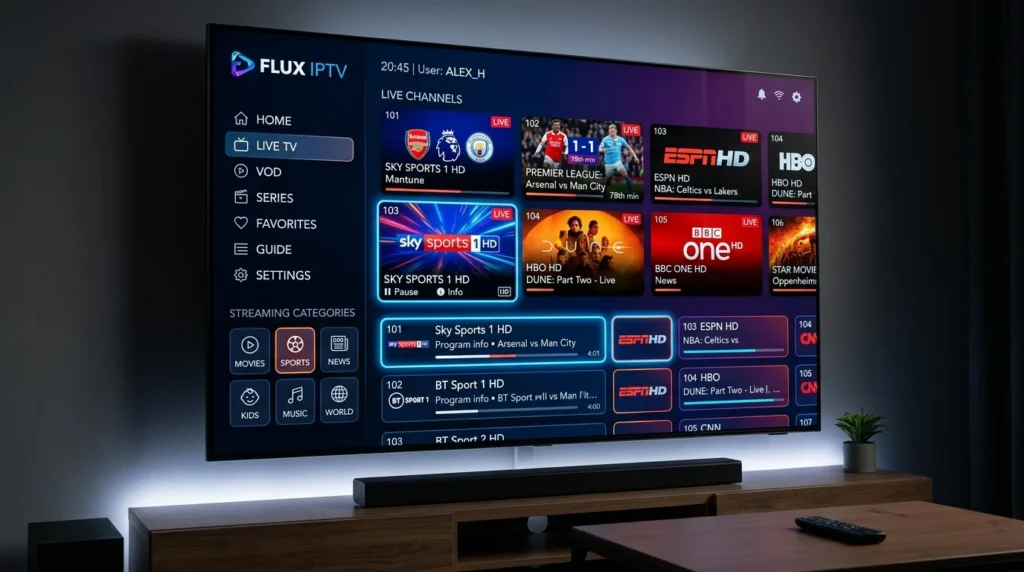
Take time to organize your IPTV channels into logical categories and create custom playlists for different family members. Remove or hide channels you don’t watch to reduce clutter and improve navigation speed. Enable parental controls if children will be using the service.
Common Mistakes to Avoid
Understanding common pitfalls can save you frustration and ensure a smooth IP-TV experience from the beginning. These mistakes are easily avoidable with proper preparation and knowledge.
Inadequate Internet Connection
The most frequent issue users encounter is insufficient internet speed for their chosen content quality. Attempting to stream 4K content on a 10 Mbps connection will result in constant buffering and poor user experience. Always test your internet speed and choose appropriate video quality settings for your connection.
Incorrect M3U Configuration
Improper playlist configuration can prevent channels from loading or cause playback errors. Double-check that you’re using the correct M3U URL or Xtream Codes credentials provided by your IPTV subscription service. Ensure there are no extra spaces or characters when copying and pasting credentials.
Using Unreliable Applications
Not all IPTV applications are created equal, and some may cause stability issues or poor streaming quality. Research user reviews and choose well-established applications with regular updates and good customer support. Avoid applications from unknown developers or those with suspicious permissions.
Overloaded Channel Lists
Some providers offer playlists with thousands of IPTV channels, but having too many options can slow down your application and make navigation difficult. Consider removing or hiding channels you don’t need, and organize remaining channels into logical categories for easier browsing.
Optimization Tips
Fine-tuning your IPTV setup can transform a good streaming experience into an exceptional one. These optimization strategies address both technical performance and user experience improvements.
Provider Selection and Reliability
Choose an IPTV subscription provider with a proven track record of reliability and customer service. Look for providers offering multiple server locations, 24/7 support, and money-back guarantees. Read user reviews and test services during trial periods when available.
Hardware Performance Considerations
Ensure your streaming device has sufficient processing power for your chosen content quality. Android TV boxes with at least 2GB RAM and quad-core processors handle HD IPTV content smoothly. For 4K IPTV streaming, consider devices with 4GB RAM and more powerful processors.
Network Infrastructure Optimization
Optimize your home network by upgrading to a modern router with Quality of Service (QoS) features that prioritize streaming traffic. Position your router centrally and away from interference sources. Consider mesh network systems for larger homes to ensure consistent Wi-Fi coverage.
Playlist Management and Organization
Create efficient IPTV channels organization by grouping content logically and removing duplicate or non-functional channels. Use EPG (Electronic Program Guide) features when available to see programming schedules and plan viewing. Regularly update playlists to ensure access to current content.
Conclusion
IPTV represents the future of television entertainment, offering unprecedented flexibility, quality, and value compared to traditional broadcasting methods. The ability to access thousands of international channels, on-demand content, and HD/4K streaming at a fraction of traditional cable costs makes this technology increasingly attractive to modern consumers.
Setting up an IPTV subscription is straightforward and can be completed in under 30 minutes with the right preparation and equipment. By following the step-by-step guide, avoiding common mistakes, and implementing optimization tips, users can enjoy a premium television experience that rivals or exceeds traditional broadcasting quality.
The benefits of streaming TV through IPTV extend beyond cost savings to include device flexibility, content variety, and superior picture quality. As internet infrastructure continues to improve globally and more content providers embrace digital distribution, iptv services will likely become even more comprehensive and reliable.
FAQ
Q: Is IPTV legal to use?
A: IPTV technology itself is completely legal. However, the legality depends on the content provider and whether they have proper licensing for the channels and content they distribute. Always choose reputable providers with legitimate content licensing.
Q: What internet speed do I need for IPTV?
A: For standard definition content, you need at least 5 Mbps. HD content requires 10-15 Mbps, while 4K content needs 25 Mbps or higher. A stable connection is more important than peak speeds for consistent streaming quality.
Q: Can I use IPTV on multiple devices simultaneously?
A: This depends on your IPTV subscription plan. Many providers offer multi-device access, allowing you to stream on 2-5 devices simultaneously. Check with your provider for specific device limitations and connection policies.
Q: Do I need special equipment for IPTV?
A: No special equipment is required beyond a device with internet connectivity. Smart TVs, smartphones, tablets, computers, and streaming devices like Android TV boxes all work with IPTV applications. A stable internet connection is the most critical requirement.
Q: How do I troubleshoot buffering issues with IPTV?
A: Start by testing your internet speed and ensuring it meets the requirements for your chosen video quality. Try using a wired connection instead of Wi-Fi, close other applications using bandwidth, restart your streaming device, and consider adjusting buffer size settings in your IPTV application.